4-H is defined as the largest youth development organization in the United States, engaging millions of young people through hands-on learning in agriculture, STEM, leadership, and community service. Run through the National 4-H Council and delivered locally via county Extension offices, the program gives kids ages 5 to 18 real skills and real responsibility. According to the National 4-H Council Teen Perspectives Survey 2025, 90% of 4-H participants feel optimistic about their future compared to 80% of all teens. That gap is not a coincidence. It reflects what happens when young people are trusted with meaningful work and guided by caring adult mentors.
How to join 4-H in your community
Joining 4-H starts with one step: contact your local county Extension office. There is no single national enrollment portal. The North Carolina 4-H Enrollment Guide confirms that program offerings, costs, and enrollment rules vary significantly by county, so your first call or email to the local Extension office is the most important move you can make.
Here is how the process typically works:
- Find your local Extension office. Search “county Extension office” plus your state or county name. Most states have a searchable directory online.
- Ask about active clubs and upcoming enrollment windows. Many counties open enrollment in the fall, but some clubs accept members year-round.
- Complete digital registration. Most states use systems like 4-H Online or Z Suites to handle formal enrollment. Official enrollment requires both local contact and registration in the state digital system to qualify for insurance and competition eligibility.
- Attend a club meeting or orientation. This is where your child meets the adult mentor and other members before committing.
- Choose a project area. Members typically select one or more project areas, such as poultry, robotics, or public speaking, to focus on during the year.
Clubs typically require at least 5 youth members and at least one adult mentor to operate. Once formed, clubs elect officers such as president, secretary, and treasurer, giving members real governance experience from day one.
Beyond traditional clubs, 4-H also offers camps, school enrichment programs, and special interest groups. These options are great for families who want to explore the program before committing to a full club membership.

Pro Tip: If your child is unsure about joining, look for a one-day 4-H event or county fair demonstration in your area first. Low-commitment entry points make it easier to see if the program is the right fit before enrolling formally.
What types of 4-H activities and projects are available?
4-H activities cover a wide range of interests, so nearly every young person can find something that excites them. The program is built around project-based learning, meaning your child picks a topic, works on it over the year, and presents or demonstrates what they learned. Examples from 2026 include the Ohio 4-H Space Adventure Camp and Fairfax County 4-H overnight camps, showing just how creative and specialized programs have become.
Here are the main project categories available across most counties:
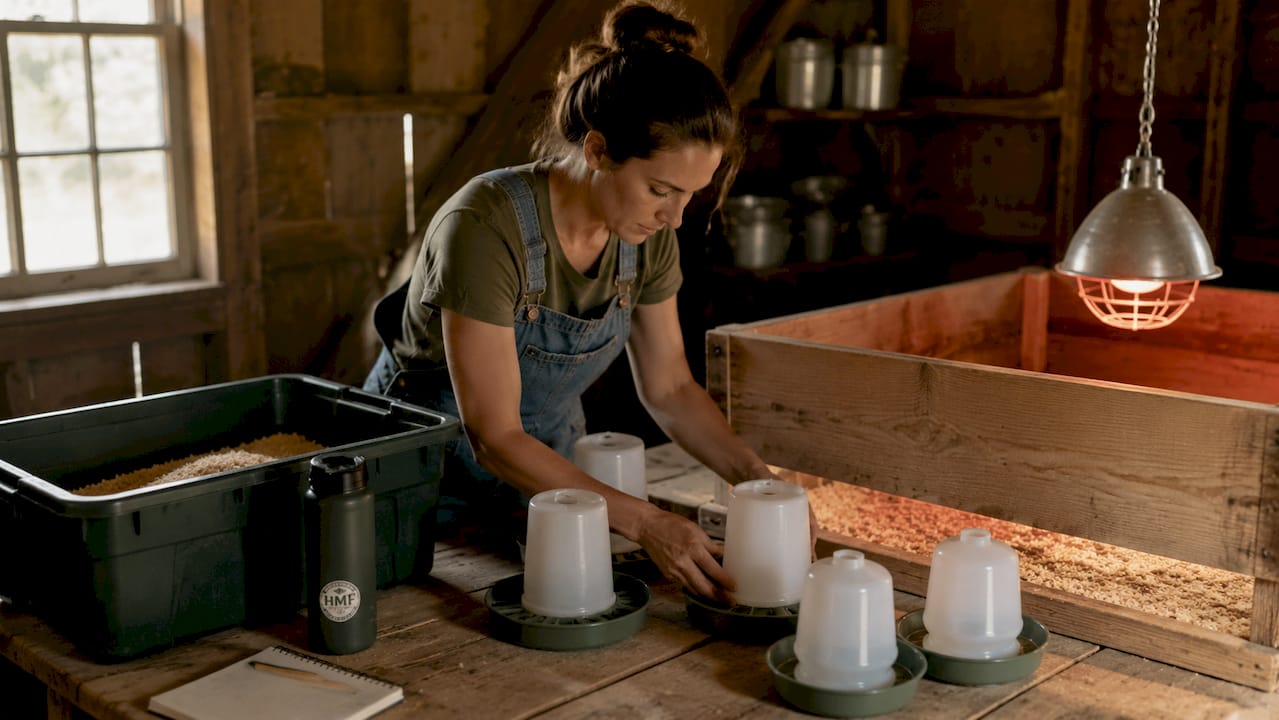
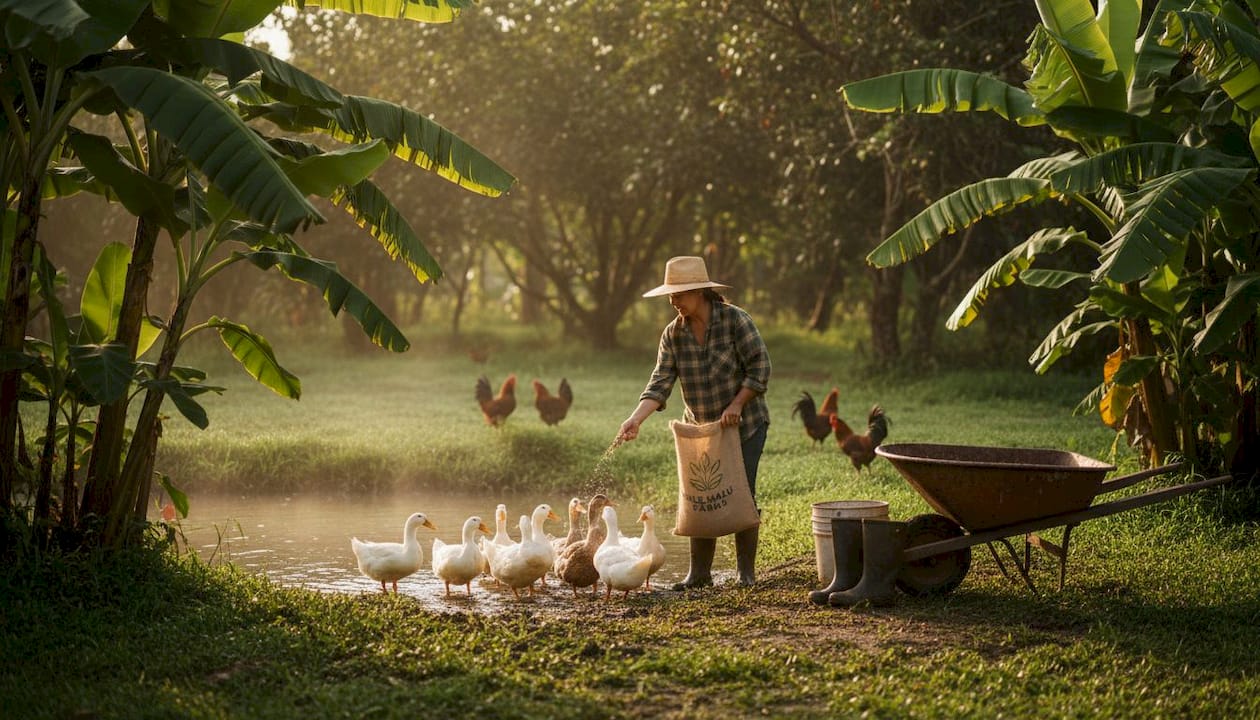
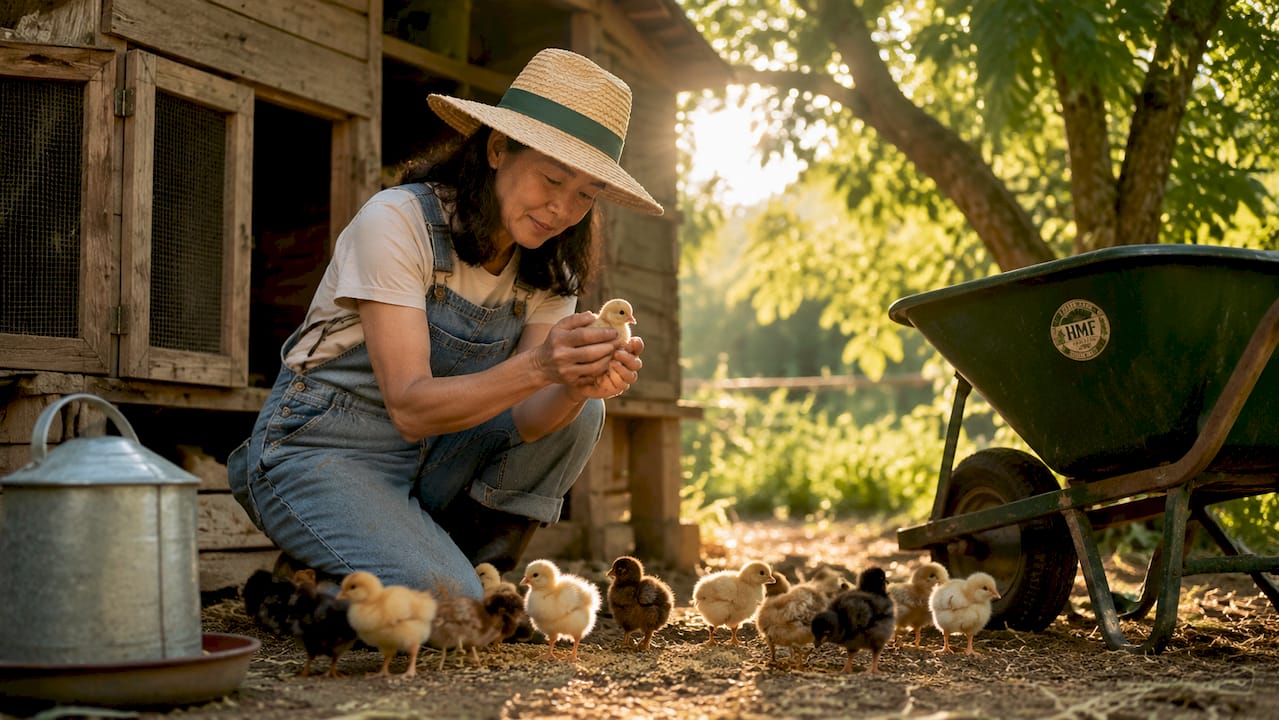
- Agriculture and animal science: Raising chickens, goats, rabbits, or cattle. Learning about soil, crops, and sustainable food systems. This is one of the most popular entry points for rural families and is a natural fit for kids interested in pasture poultry and hands-on animal care.
- STEM and technology: Robotics, coding, environmental science, and engineering challenges. Programs like Rova Barn Ukko Robotics show how modern farm technology connects directly to 4-H STEM learning goals.
- Leadership and citizenship: Public speaking contests, community service projects, and civic engagement. These activities build confidence and communication skills that carry into adulthood.
- Creative arts and healthy living: Photography, cooking, sewing, and fitness projects. These are especially popular with younger members and urban participants.
Here is a quick comparison to help you match your child’s interests to the right project area:
| Interest | Best project area | Example activity |
|---|---|---|
| Animals and nature | Agriculture and animal science | Raising heritage breed chickens |
| Technology and building | STEM and robotics | Robotics club or coding challenge |
| Community and speaking | Leadership and citizenship | Public speaking contest or service project |
| Creativity and wellness | Creative arts and healthy living | Photography project or cooking demonstration |

The variety is one of 4-H’s greatest strengths. A child who starts with a poultry project at age 8 might move into leadership roles and STEM projects by age 14. The program grows with them.
What are the real benefits of 4-H for young people?
The benefits of 4-H go well beyond learning to raise an animal or build a robot. The program develops the kind of soft skills that schools rarely teach directly. 75% of teens rank critical thinking as essential for their future, and 4-H’s mentor-led, activity-based model is specifically designed to build it. That is not a passive classroom outcome. It comes from doing real work with real stakes.
“4-H skill-building extends beyond subject matter to critical competencies like self-understanding and decision-making essential for lifelong success.” — 4-H Life Skills Development Research
The Florida 4-H Club Leadership Model shows how this works in practice. Members do not just attend meetings. They run them. They elect officers, set agendas, and make decisions as a group. This structure gives young people early experience in governance and accountability that most adults do not encounter until their first job.
The 4-H Lead to Change initiative takes this further by connecting teens to real-world community challenges. Youth apply for grants, design solutions, and implement projects that address local needs. This kind of agency, where a teenager is trusted to identify a problem and lead a response, builds confidence that no classroom assignment can replicate.
The data backs this up. 4-H participants are more likely to plan to attend a four-year college, with 65% of 4-H youth planning college compared to 53% of all teens. That difference reflects the program’s emphasis on long-term thinking and goal-setting, not just short-term project completion.
Pro Tip: Encourage your child to run for a club officer position in their first or second year. The experience of managing a meeting or keeping records teaches organizational skills faster than almost any other activity at that age.
Common misconceptions about 4-H programs
Many families hesitate to join 4-H because of assumptions that turn out to be wrong. Here are the most common ones we hear, along with the facts.
- “4-H is only for farm kids.” Not true. 4-H operates in urban, suburban, and rural communities. STEM, arts, and leadership projects are just as prominent as agriculture in many counties.
- “4-H is a religious organization.” 4-H is secular and inclusive. It is administered through the land-grant university system and the USDA, not any religious body.
- “My child can just show up and participate.” Informal attendance is possible at some events, but official enrollment through a state digital system is required for insurance coverage and competition eligibility. Showing up without registering means your child cannot compete or be covered.
- “The rules are the same everywhere.” 4-H’s decentralized model means every county sets its own program offerings, fees, and schedules. What is available in one county may not exist in the next.
- “My teenager is too old to start.” Membership runs from age 5 to 18, with eligibility calculated as age on September 1. Some national contests allow participants up to age 21 if they qualify. Starting at 15 or 16 is still worthwhile, especially for leadership and STEM tracks.
- “Parents have no role.” Adult mentors are the backbone of every club. Parents who volunteer as mentors or project leaders often find the experience as rewarding as their kids do.
Understanding how 4-H actually works at the local level saves families a lot of frustration. The program is flexible by design, but that flexibility requires you to do a little homework upfront.
Key takeaways
4-H is the most research-backed youth development program in the U.S., with proven outcomes in optimism, college readiness, and leadership that exceed those of comparable peer groups.
| Point | Details |
|---|---|
| Start locally | Contact your county Extension office first. No national portal exists for enrollment. |
| Register digitally | Use 4-H Online or Z Suites to complete formal enrollment for insurance and competition access. |
| Choose the right project | Match your child’s interests to agriculture, STEM, leadership, or creative arts for best engagement. |
| Expect real leadership | Club members elect officers and run meetings, building governance skills from the start. |
| Know the age rules | Membership runs from age 5 to 18, with some national contests open to age 21. |
Why 4-H still matters more than most people realize
I have watched a lot of youth programs come and go over the years. Most of them teach kids about something. 4-H teaches kids to do something, and that difference is enormous.
What strikes me most about 4-H is how seriously it takes young people. A 12-year-old running a club meeting, managing a budget, and presenting a project at the county fair is not playing pretend. That child is practicing the exact skills that will define their adult life. The mentor-led model is what makes this work. Adults guide without taking over, which is rarer than it sounds.
The program has also evolved well. The addition of robotics, environmental science, and technology projects means 4-H is no longer just for families with livestock. A kid in Honolulu can pursue a STEM track just as meaningfully as a kid on a cattle ranch in Texas.
My honest advice to parents: do not wait for the perfect moment to enroll. Find your local Extension office, go to one meeting, and let your child decide. The program is designed to earn their interest, not demand it.
— kai
Start your child’s 4-H journey with the right supplies
At Halemalufarms, we work directly with families and youth programs who are serious about hands-on agricultural learning. Whether your child is starting a poultry project for the first time or expanding an existing 4-H animal science track, having quality birds and reliable supplies makes all the difference.

We carry heritage breed layer hens that are ideal for beginner-friendly 4-H poultry projects, including breeds well-suited to Hawaiʻi’s climate and small-scale farm setups. You can also browse our full farm supply shop for tools, housing, and equipment that support everything from backyard flocks to larger animal science projects. We are here to help your family grow with confidence. Rooted in Hawaiʻi. Growing Our Future.
FAQ
What is 4-H and who can join?
4-H is the largest youth development organization in the U.S., open to young people ages 5 to 18. It is administered through the National 4-H Council and local county Extension offices, with programs in agriculture, STEM, leadership, and the arts.
How do I find a 4-H club near me?
Contact your local county Extension office directly, as there is no single national enrollment portal. You can search “[your county] Extension office” online to find contact information and current club listings.
Does my child need to live on a farm to join 4-H?
No. 4-H operates in urban, suburban, and rural communities, with project areas ranging from robotics and photography to cooking and public speaking. Agriculture is one option, not a requirement.
What does official 4-H enrollment involve?
Official enrollment requires contacting your local Extension office and completing registration in a state digital system such as 4-H Online or Z Suites. This step is required for insurance coverage and eligibility to compete in county, state, and national events.
What age can my child start and stop participating in 4-H?
Membership typically runs from age 5 to 18, with eligibility based on age as of September 1 each year. Some national-level contests permit participants up to age 21 if they meet qualification requirements.
Recommended
- 4-H Hawaii –
- 4-H Contact –
- The Role of Duck Breeding Programs in Sustainable Farming – Your Local source for all things poultry
- Small hatchery guide: what local farmers need to know – Your Local source for all things poultry
Discover more from Your Local source for all things poultry
Subscribe to get the latest posts sent to your email.