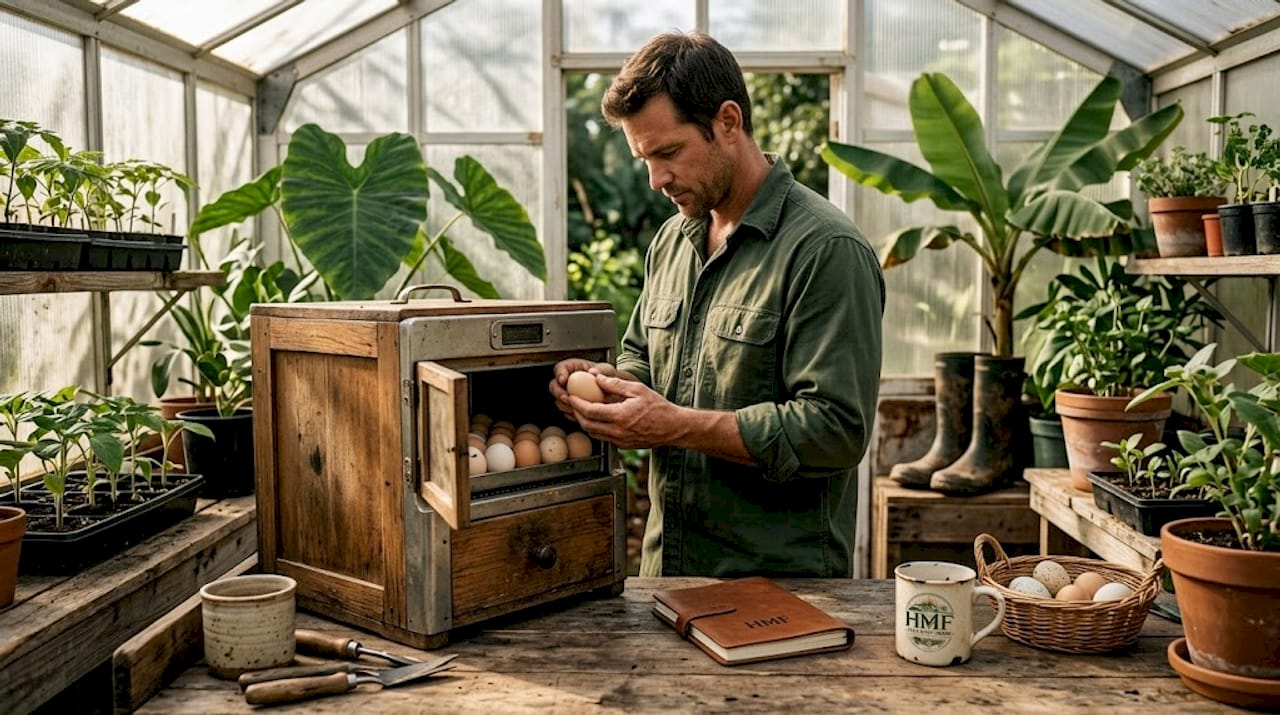
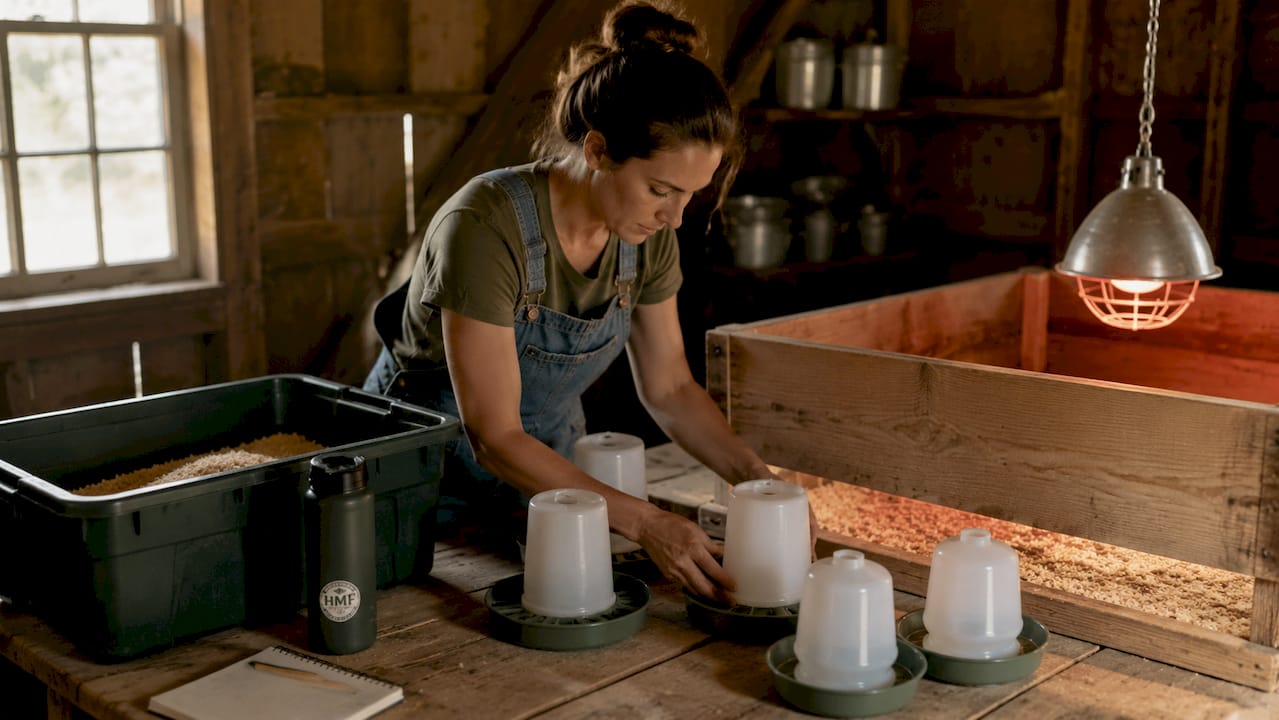
Local egg production is defined as the raising and selling of eggs within a regional food system, and it is one of the most direct ways a community can protect its own nutrition, economy, and food security. Why egg production matters locally goes far beyond the carton on your kitchen counter. Pasture-raised local eggs contain 2 to 3 times more omega-3s and up to 6 times more vitamin D than conventional supermarket eggs. That gap is not a marketing claim. It reflects real differences in how hens live, what they eat, and how quickly their eggs reach you. At Hale Malu Farms, we see this connection between land, flock, and community every single day.
Why egg production matters locally for nutrition and freshness
The nutritional gap between local and industrial eggs is measurable and significant. Locally sourced eggs reach consumers within 1 to 7 days of laying, compared to 30 or more days for supermarket eggs. That difference in age directly affects shell strength, yolk firmness, and flavor. A fresh local egg has a firm, bright orange yolk that stands tall in the pan. A month-old supermarket egg has a pale, flat yolk that spreads across the skillet.
Pasture access is the core driver of nutritional quality. Hens that forage on living grass, insects, and seeds produce eggs with higher levels of vitamins A, D, and E compared to hens raised in confinement on grain-only diets. Sunlight exposure alone raises vitamin D levels dramatically, which matters for consumers who rely on eggs as a dietary source of that nutrient. The difference is not subtle.
How pasture rotation affects egg quality
Small-scale farmers using mobile housing, sometimes called “egg mobiles,” rotate their flocks across fresh pasture regularly. This practice improves flock health and boosts egg nutrient density. However, pasture rotation raises production costs by $2 to $4 per dozen compared to conventional methods. That price premium reflects genuine labor and land investment, not arbitrary markup.

| Egg Type | Omega-3 Level | Vitamin D | Days to Consumer |
|---|---|---|---|
| Pasture-raised local | 2–3x higher | Up to 6x higher | 1–7 days |
| Conventional supermarket | Baseline | Baseline | 30+ days |
| Certified Humane labeled | Moderate increase | Moderate increase | Varies |
Pro Tip: When you buy eggs at a farmers market, ask the farmer when the eggs were laid. If they can tell you within a day or two, that is a strong sign of genuine local production and good flock management.
Storing your eggs correctly after purchase also preserves that freshness advantage. Check out Hale Malu Farms’ guide on storing farm fresh eggs to get the most out of every dozen you bring home.
What economic benefits come from supporting local egg farmers?
Local egg farming creates economic value that stays in your region. Farms employ workers, purchase local feed and supplies, and generate tax revenue that funds community services. These are not abstract multiplier effects. They are paychecks, vendor relationships, and school budgets.

The economic cost of import dependence makes this concrete. Countries like Liberia import 60 to 70% of their eggs, spending over US$12 million annually on foreign egg supply. That is $12 million leaving the local economy every year, money that could fund domestic farms, rural jobs, and food infrastructure. While Liberia represents an extreme case, the principle applies to any community that relies heavily on eggs shipped from distant industrial operations.
Young farmers face a specific economic threat when retailers favor imported eggs. Viktoria Hutter of the Austrian Young Farmers’ Association noted that retailers choosing imported eggs undermine the planning certainty that young farmers need when they invest heavily in high-standard farm infrastructure. A farmer who builds a proper laying barn, installs automated systems, and commits to welfare standards cannot absorb the shock of suddenly losing shelf space to cheaper imports.
Here is what strong local egg economies deliver to communities:
- Stable rural employment at farms, feed suppliers, hatcheries, and distribution operations
- Reduced import spending that keeps food dollars circulating locally rather than flowing to distant producers
- Investment confidence for young and beginning farmers who need predictable markets to justify infrastructure costs
- Traceability and accountability because local producers are neighbors, not anonymous suppliers
- Resilience during supply disruptions when national or global supply chains break down
India’s poultry sector demonstrates how domestic egg production at scale can anchor rural economies, with millions of smallholder farmers depending on egg income as a primary livelihood. The lesson is the same whether you are in Hawaiʻi, Austria, or rural India: local egg supply reasons are fundamentally economic before they are anything else.
How do local egg farming practices support environmental sustainability?
Local egg farming, when done well, functions as a regenerative system rather than an extractive one. Small farms integrate hens into broader agricultural cycles that improve soil health, reduce waste, and support biodiversity. Industrial operations cannot replicate this at scale because the economics and logistics do not allow it.
Here are the core environmental practices that distinguish local egg production from industrial methods:
- Pasture rotation moves hens across land in cycles, spreading manure naturally and preventing the soil degradation that comes from concentrated confinement.
- Natural fertilization from free-ranging hens reduces or eliminates the need for synthetic fertilizers on adjacent crops and orchards.
- Integrated farming systems pair poultry with vegetable production, fruit trees, or livestock so that outputs from one system become inputs for another, cutting waste significantly.
- Short supply chains mean fewer miles traveled from farm to table, which reduces transportation emissions compared to eggs shipped across states or oceans.
- Smaller flock densities reduce the air and water quality problems associated with large-scale confinement operations, including ammonia emissions and manure runoff.
At Hale Malu Farms, our planned 5,000-layer egg barn is designed within an integrated system that includes orchard development, rotational grazing, and water catchment infrastructure. The hens are not isolated from the land. They are part of it.
Pro Tip: If you want to support genuinely sustainable egg production, look for farms that describe their land management practices, not just their flock size. A farm that talks about soil health and pasture rotation is practicing real sustainability.
The contrast with industrial egg farming is stark. Large confinement operations generate concentrated waste streams, rely on synthetic inputs, and ship eggs hundreds or thousands of miles. Small farms integrating hens into regenerative systems improve soil and reduce waste in ways that simply cannot be replicated at industrial scale.
What challenges threaten local egg producers today?
Local egg farmers operate under real structural pressures that consumers rarely see. Understanding these challenges helps you appreciate why your purchasing decisions carry genuine weight.
- Import competition floods local markets with cheaper eggs produced under lower welfare and environmental standards, making it hard for local farmers to compete on price alone.
- Market concentration in the egg industry, as seen in Thailand where vertically integrated firms dominate the market, reduces bargaining power for independent farmers and drives up consumer prices despite subsidized exports.
- Input cost volatility hits local producers hard. Rising day-old chick prices and feed costs cause consumer price spikes that have nothing to do with farm-level decisions and everything to do with supply chain vulnerabilities.
- Retail shelf access is often controlled by buyers who prioritize cost over origin, pushing local eggs off shelves in favor of cheaper imports even when consumers would prefer local.
- Infrastructure costs for welfare-compliant housing, pasture systems, and certification are significant upfront investments that require market stability to justify.
Farmers facing input cost volatility can explore hedging strategies for agricultural producers to manage feed and supply cost exposure more predictably. This kind of financial planning is becoming a core skill for any local egg operation that wants to survive market swings.
How can you identify and support quality local eggs?
Knowing what to look for makes your support for local egg farmers both confident and effective. Not every egg labeled “farm fresh” or “natural” comes from a genuinely local or welfare-conscious operation. Labels matter, but not all labels are equal.
- Certified Humane and Animal Welfare Approved are third-party certifications with clear, audited requirements that distinguish real pasture-raised eggs from unregulated marketing terms.
- Ask your farmer directly about pasture access, flock size, feed sources, and hen welfare. A genuine local producer will answer these questions without hesitation.
- Buy at farmers markets, farm stores, or through farm shares (CSAs) to purchase directly and build a relationship with the producer.
- Look for orange yolks as a visual indicator of pasture access and diet quality. Pale yellow yolks in eggs labeled “pasture-raised” are a red flag.
Pro Tip: Buying a farm share or egg subscription directly from a local farm is one of the most effective ways to support that farm’s planning and investment. Predictable demand helps farmers make better decisions about flock size and infrastructure.
Supporting local egg farmers benefits your nutrition, your regional economy, and your community’s long-term food security. You can explore local table eggs from Hale Malu Farms to see what genuine local production looks like in practice.
Key takeaways
Local egg production strengthens community health, economic resilience, and environmental sustainability in ways that imported or industrial eggs cannot replicate.
| Point | Details |
|---|---|
| Nutritional superiority | Pasture-raised local eggs contain 2 to 3 times more omega-3s and up to 6 times more vitamin D than conventional eggs. |
| Freshness advantage | Local eggs reach consumers in 1 to 7 days versus 30 or more days for supermarket eggs, preserving shell strength and flavor. |
| Economic impact | Import dependence costs communities millions annually; local production keeps food dollars and jobs in the region. |
| Environmental value | Pasture rotation, natural fertilization, and short supply chains make local egg farming genuinely regenerative. |
| Consumer power | Certifications like Certified Humane and direct farm purchases are the most reliable ways to support quality local production. |
Why local eggs changed how I think about food systems
I did not fully understand the importance of local egg production until I cracked a truly fresh egg from a pasture-raised flock for the first time. The yolk was a deep, almost burnt orange. It held its shape in the pan like a dome. That was not a marketing story. That was biology doing what it does when hens live well.
What surprised me more was the conversation that came with it. The farmer knew her flock by behavior, not by tag number. She knew which hens were laying, which were molting, and what the pasture looked like after a wet week. That level of attention is impossible at industrial scale, and it shows up directly in the egg.
The challenges are real. Input costs are volatile, retail buyers favor cheap imports, and young farmers struggle to justify infrastructure investment without reliable markets. But the opportunity is just as real. Communities that prioritize local egg supply build food systems that are more resilient, more nutritious, and more connected. That is not sentiment. That is a structural advantage that shows up when global supply chains fail.
My honest recommendation: find one local egg producer in your area and commit to buying from them consistently. Your predictable demand is worth more to that farmer than any subsidy. And the egg you get in return is worth more to your health than anything sitting under fluorescent lights for a month.
— kai
Start your local egg journey with Hale Malu Farms

Hale Malu Farms is a Hawaiʻi Island operation rooted in sustainable poultry production, heritage genetics, and community food resilience. We raise our flocks with genuine care for land, animal welfare, and the people we feed. Whether you are looking for quality laying hens to start your own flock or want to connect with a local source for farm-fresh eggs, we are here to help you take that next step. Browse our heritage layer chickens to find breeds suited for your climate and production goals. You can also explore our full range of farm-fresh eggs and poultry products at the Hale Malu Farms shop. Rooted in Hawaiʻi. Growing Our Future.
FAQ
What makes local eggs nutritionally better than supermarket eggs?
Pasture-raised local eggs contain 2 to 3 times more omega-3 fatty acids and up to 6 times more vitamin D than conventional eggs. These differences come directly from pasture access, sunlight exposure, and a varied natural diet.
How fresh are local eggs compared to store-bought eggs?
Local eggs typically reach consumers within 1 to 7 days of laying, while supermarket eggs can be 30 or more days old by the time you buy them. That age difference affects yolk firmness, shell strength, and overall flavor.
Why does local egg production matter for food security?
Communities that depend heavily on imported eggs spend millions annually on foreign supply and remain vulnerable to global price shocks and supply disruptions. Local production builds a more stable, self-reliant food system.
What certifications should I look for when buying local eggs?
Certified Humane and Animal Welfare Approved are the most reliable third-party certifications for pasture-raised eggs. These labels have audited standards, unlike unregulated terms such as “natural” or “farm fresh.”
How do I support local egg farmers beyond just buying their eggs?
Buy directly through farmers markets, farm stores, or egg subscriptions to give farmers predictable income. Asking about their practices and sharing their work with your community also helps build the stable local market they need to invest and grow.
Recommended
- Local Table Eggs – Your Local source for all things poultry
- Small hatchery guide: what local farmers need to know – Your Local source for all things poultry
- Why ducks outperform chickens on Hawaiʻi farms – Your Local source for all things poultry
Discover more from Your Local source for all things poultry
Subscribe to get the latest posts sent to your email.