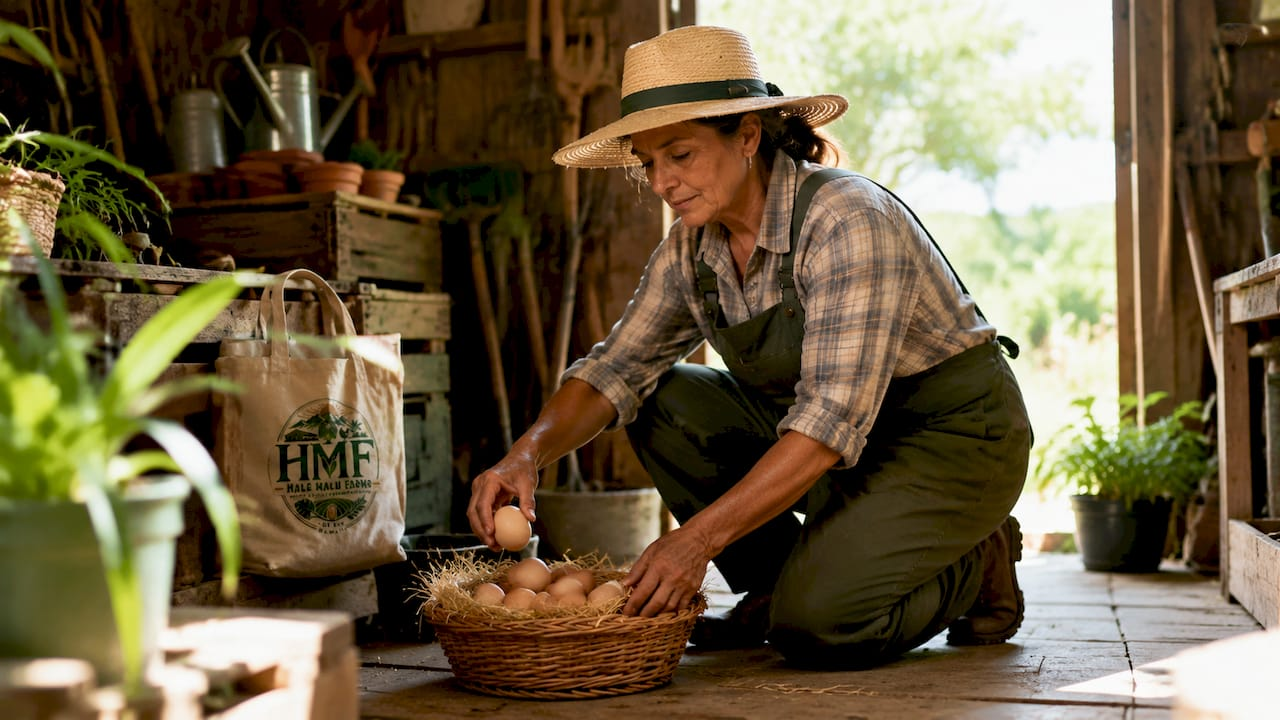
A small egg operation is defined as a poultry enterprise that maintains 500 or fewer laying hens per year and sells eggs primarily through direct-to-consumer channels. The industry term is “small-scale egg production,” and it covers everything from a backyard flock of 10 hens to a micro-farm approaching commercial thresholds. The FDA classifies producers with 49,999 or fewer hens as small producers at the federal level, but most state definitions draw the line at 500 birds or fewer. Understanding where your operation falls determines your licensing obligations, sales permissions, and long-term growth path. Whether you are exploring egg production for beginners or planning a serious micro-farm, knowing the rules and the numbers from day one saves you real money and real headaches.
What is a small egg operation and how is it regulated?
Small egg farm operations sit at the intersection of federal oversight and highly variable state rules. The FDA sets the federal floor, but your state agriculture department sets the practical ceiling for what you can do without a commercial license.

Most states grant small producer exemptions to farms selling below a set volume threshold. These exemptions typically allow direct-to-consumer sales at farm gates, farmers markets, and roadside stands without full commercial licensing. Business licensing fees for small operations typically range from $25 to $100 annually. That is a low barrier to entry, but the penalties for ignoring it are not. Selling eggs without the required license can result in fines from $500 to $5,000 depending on your state.
Key compliance requirements for most small egg operations include:
- Flock size documentation: Keep records showing your flock stays within your state’s exemption threshold.
- Labeling: Cartons sold directly to consumers must show the producer’s name, address, and pack date.
- Egg quality standards: Avoid selling cracked or dirty eggs. Direct-to-consumer sales require clean, uncracked eggs to meet state food safety rules.
- Zoning compliance: Local land-use rules must permit poultry farming before you sell a single egg.
- Inspection readiness: Some states require periodic facility inspections even for small producers.
Operations that cross from backyard exemption status into commercial territory face egg grading, candling, mandatory inspections, and facility upgrades. That jump adds significant cost and complexity.
Pro Tip: Contact your state department of agriculture before you buy your first hen. Ask specifically about the direct-to-consumer exemption threshold and what labeling your cartons need. A 30-minute phone call can prevent a $2,000 fine.
How do you manage flock size, production, and scaling?
Running a small egg farm efficiently starts with matching your flock size to your actual market demand. Scaling too fast is one of the most common mistakes new producers make.

Starting flock sizes and realistic egg yields
A backyard flock of 8–10 hens produces enough surplus eggs to cover feeding costs and generate modest supplemental income. That is a practical starting point for egg production for beginners. Most laying breeds produce 250–300 eggs per hen per year under good management, so 10 hens can yield roughly 200–250 dozen eggs annually.
Scaling from hobby to micro-farm
- Start with 10–20 hens. This lets you learn feeding schedules, health management, and egg handling without large financial exposure. Startup costs for this range run $800 to $3,000 depending on coop quality and breed.
- Confirm your market before adding birds. Secure buyers at a farmers market or through a CSA subscription before scaling past 20 hens. Unsold eggs are wasted feed costs.
- Scale to 50–100 hens once demand is proven. At this size, you need consistent feed sourcing, a reliable waste management plan, and a clear sales channel.
- Approach 200 hens only with infrastructure in place. A flock this size requires a well-ventilated coop, automated feeders, and a composting system.
Space and waste requirements
Coop space requirements are non-negotiable for hen health. Plan for at least 4 square feet per bird inside the coop and 10 square feet per bird in the outdoor run. Crowding causes stress, reduces laying rates, and increases disease risk.
Manure management deserves equal attention. 100 hens produce about 15 pounds of fresh manure daily. That manure carries 70–80% moisture content, which means it breaks down fast and creates odor and disease risk if not composted or removed promptly.
| Flock size | Daily manure output | Coop space needed | Estimated annual eggs |
|---|---|---|---|
| 10 hens | 1.5 lbs | 40 sq ft | 200–250 dozen |
| 50 hens | 7.5 lbs | 200 sq ft | 1,000–1,250 dozen |
| 100 hens | 15 lbs | 400 sq ft | 2,000–2,500 dozen |
| 200 hens | 30 lbs | 800 sq ft | 4,000–5,000 dozen |
Heritage and dual-purpose breeds like Rhode Island Reds, Barred Rocks, and Blue Breasted Brown Leghorns suit small operations well. They lay consistently, tolerate free-range conditions, and provide a secondary meat value if needed.
Pro Tip: Build your coop 20% larger than your current flock requires. Expanding a coop is expensive and disruptive. Building space in from the start costs far less.
What business and marketing strategies work for small egg operations?
Profitability in a small egg operation depends on treating eggs as a premium product, not a commodity. Many small producers fail by pricing at grocery store rates and never recovering their true costs.
Farm-fresh eggs sell for $4 to $8 per dozen in successful small operations. Pricing at the lower end of that range rarely covers feed, labor, and overhead. Price at $6 to $8 per dozen and communicate the value clearly: pasture-raised, locally produced, humanely handled.
Effective sales channels for small egg farm operations include:
- Farm gate sales: Low overhead, no middleman, builds direct relationships with repeat buyers.
- Farmers markets: Strong for brand visibility and premium pricing. Check your farmers market options before committing to a booth fee.
- CSA subscriptions: Weekly egg subscriptions give you predictable revenue and reduce waste from unsold inventory.
- Community-supported agriculture (CSA) add-ons: Partner with a vegetable CSA to add eggs as an add-on item. This expands your customer base without extra marketing effort.
- Local restaurants and food co-ops: Consistent volume buyers that value local sourcing, though they typically expect a small volume discount.
Record-keeping is not optional. Track feed costs, labor hours, egg output, and sales weekly. Aligning production volume with guaranteed market demand is the single most important factor in avoiding losses. If you cannot sell 100 dozen eggs per week, do not keep 100 hens.
Labeling builds trust and satisfies legal requirements at the same time. Your carton label needs your name, address, and pack date at minimum. Adding “pasture-raised,” “heritage breed,” or “non-GMO fed” communicates quality and justifies your price point.
Pro Tip: Set up a simple spreadsheet tracking feed cost per dozen eggs produced. Most new producers are shocked to find their real cost is $3.50 to $5.00 per dozen before labor. That number makes $6 to $8 pricing feel very reasonable.
How do you apply sustainable practices in small egg production?
Sustainable egg production is not just an ethical choice. It is a market advantage and a long-term cost management tool.
Heritage breeds outperform commercial hybrids in free-range systems because they forage actively, reducing your feed bill. They also carry stronger genetic diversity, which means better disease resistance over time. The USDA recognizes small poultry enterprises as vital to rural economies and local food systems, and sustainable practices are central to that contribution.
Core sustainable practices for small egg operations:
- Compost all manure. Chicken manure is high in nitrogen and makes excellent garden fertilizer. Composting it on-site eliminates disposal costs and creates a saleable or usable byproduct.
- Source feed locally when possible. Local grain reduces your carbon footprint and supports neighboring farms. It also insulates you from supply chain disruptions.
- Practice biosecurity daily. Limit visitor access to your flock, quarantine new birds for 30 days, and clean waterers and feeders weekly. Disease outbreaks can wipe out a small flock in days.
- Rotate pasture access. Moving hens to fresh ground every few weeks prevents parasite buildup and keeps forage quality high.
- Support local food systems. Selling locally keeps food dollars in your community and strengthens the regional food network.
“Sustainable egg production practices, including using heritage breeds, composting manure, and prioritizing hen health and biosecurity, improve product quality, reduce environmental impact, and support local food systems.” — Halemalufarms
The local community benefits of small egg production extend beyond your farm gate. Every dozen eggs sold locally replaces eggs shipped hundreds of miles, reduces packaging waste, and keeps a food dollar circulating in your region.
Key Takeaways
A small egg operation succeeds when it combines legal compliance, realistic flock sizing, premium pricing, and sustainable management from the very start.
| Point | Details |
|---|---|
| Know your regulatory threshold | Most states define small egg operations as 500 or fewer birds; confirm your state’s exemption rules before selling. |
| Start small and scale with demand | Begin with 10–20 hens, confirm your market, then scale incrementally to avoid unsold inventory and wasted feed costs. |
| Price for true profitability | Farm-fresh eggs priced at $6–$8 per dozen cover real costs; grocery store pricing guarantees losses for small producers. |
| Manage manure from day one | A 100-hen flock produces 15 pounds of manure daily; composting it protects hen health and neighbor relations. |
| Use heritage breeds for sustainability | Heritage breeds forage actively, resist disease better, and support local food systems more effectively than commercial hybrids. |
What I have learned from years of watching small egg operations succeed and fail
Running a small egg operation looks simple from the outside. You get some hens, collect eggs, and sell them. The reality is more layered, and the gap between a hobby flock and a profitable micro-farm is mostly about mindset.
The producers I have seen succeed share one habit: they treat their operation like a business from the very first egg. They track costs, they know their break-even price, and they build a customer base before they expand their flock. The ones who struggle almost always scaled too fast or priced too low.
The other pattern I keep seeing is underestimating labor. Feeding, watering, collecting, cleaning, and managing a flock of even 50 hens takes real time every day. That time has value. When you factor it into your cost per dozen, premium pricing stops feeling greedy and starts feeling necessary.
Sustainable practices are not just feel-good choices either. Heritage breeds genuinely reduce your feed costs through foraging. Composting manure genuinely saves you money on disposal and gives you a garden amendment worth having. These practices pay for themselves, and they make your product story more compelling to buyers who care about where their food comes from.
My honest advice: start with 15 hens, sell to 10 families, and learn everything you can in that first year. The regulatory landscape, the feed math, the customer relationships, and the daily rhythm of the flock will teach you more than any guide can. Then scale with confidence.
— kai
Halemalufarms resources for small egg operators
Halemalufarms has supported small egg producers across Hawaiʻi since 2011, combining heritage poultry genetics, farm supply distribution, and practical education for operators at every scale.

Whether you are sourcing your first laying hens or planning a larger production setup, Halemalufarms carries heritage layer hens bred for free-range performance and long-term productivity. The farm’s feed and supplies section stocks what small operations actually need, without the commercial-scale minimums. For producers ready to think bigger, the guide on building an automated egg barn walks through the infrastructure decisions that make scaling manageable. Rooted in Hawaiian values of stewardship and self-sufficiency, Halemalufarms is built to support exactly the kind of operation you are building.
FAQ
What is the definition of a small egg operation?
A small egg operation maintains 500 or fewer laying hens annually and typically sells eggs through direct-to-consumer channels. The FDA defines small producers at the federal level as those with 49,999 or fewer hens, but most state-level thresholds are much lower.
How many hens do I need to start a small egg business?
Starting with 10–20 hens is the recommended approach for egg production beginners. That flock size covers feed costs, produces surplus eggs for sale, and keeps startup costs between $800 and $3,000.
What licenses do I need to sell eggs from a small farm?
Most states require a basic business license costing $25 to $100 annually for small egg producers. Some states offer direct-to-consumer exemptions below a set volume threshold, but you still need to meet labeling and egg quality standards.
How much can I charge for farm-fresh eggs?
Farm-fresh eggs from small operations sell for $4 to $8 per dozen. Pricing at $6 to $8 per dozen is standard for pasture-raised or heritage breed eggs and is necessary to cover true production costs including labor and feed.
What are the best breeds for a small egg operation?
Heritage and dual-purpose breeds like Rhode Island Reds, Barred Rocks, and Blue Breasted Brown Leghorns perform well in small free-range systems. They lay consistently, forage actively to reduce feed costs, and carry stronger disease resistance than commercial hybrids.
Recommended
- Build an Automated Egg Barn for Your Small Farm
- Local Table Eggs – Your Local source for all things poultry
- Small hatchery guide: what local farmers need to know – Your Local source for all things poultry
- Beginner Poultry Flock Checklist: First-Time Guide
Discover more from Your Local source for all things poultry
Subscribe to get the latest posts sent to your email.