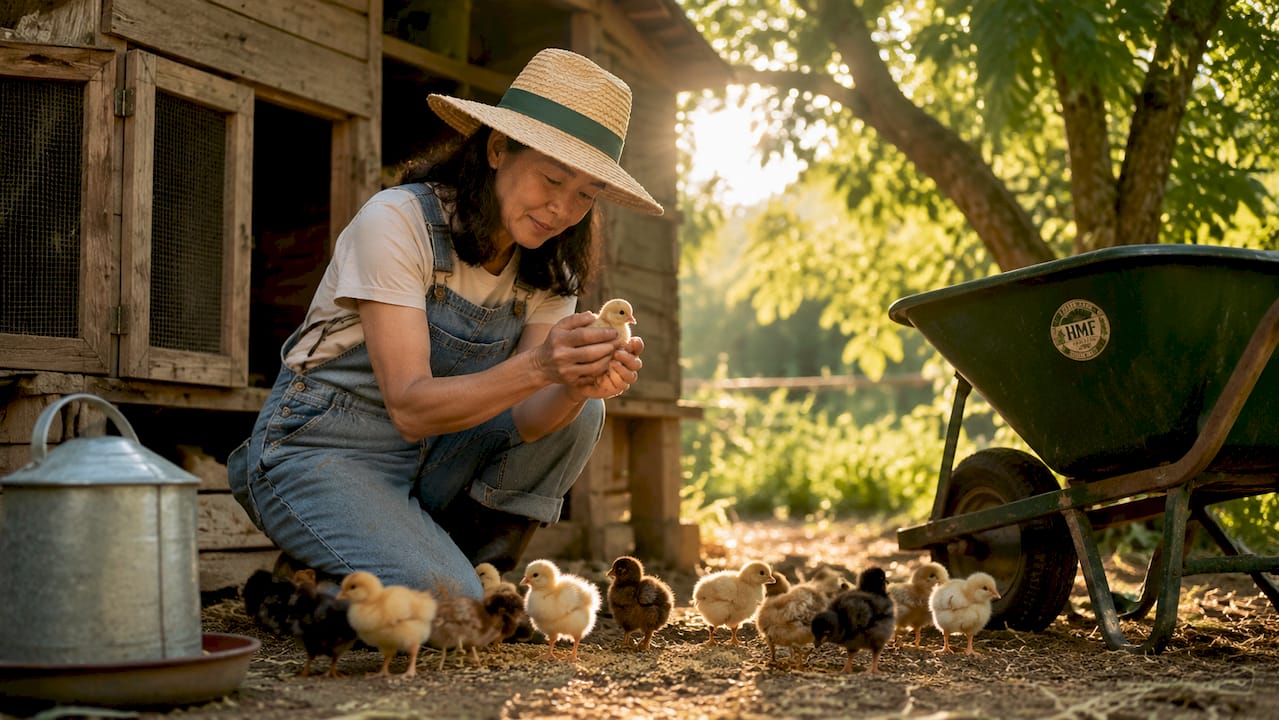
Low-maintenance farm birds are poultry breeds that thrive with minimal daily care, resist common diseases, and deliver consistent benefits like eggs or pest control without demanding much of your time. The best examples of low-maintenance farm birds include Plymouth Rock chickens, Coturnix quail, guinea fowl, Muscovy ducks, and geese. Each of these breeds suits busy families and first-time homesteaders who want real food production without a full-time commitment. If you are building a backyard flock and want birds that work with your life, not against it, this guide gives you exactly what you need to choose wisely.
What makes a farm bird truly low-maintenance?
Not every bird labeled “easy” actually is. Low-maintenance poultry shares a specific set of traits that reduce your daily workload and forgive the occasional missed chore.
Here is what to look for:
- Hardiness: The breed handles temperature swings, rain, and humidity without getting sick. Cold-hardy birds like Plymouth Rocks keep laying through winter without extra heating.
- Foraging ability: Strong foragers find much of their own food. This cuts your feed bill and reduces daily feeding labor.
- Calm temperament: Calm birds are easier to handle, less likely to injure each other, and less stressful to manage.
- Disease resistance: Breeds with strong natural immunity need fewer vet visits and less medication.
- Self-sufficiency: The best low-upkeep birds do not need constant supervision. They return to the coop at night, avoid unnecessary conflict, and adapt to their environment.
- Egg laying consistency: Hardy laying hens with little care still produce reliably. You want a breed that lays steadily without special feed, lighting, or supplements.
Housing matters just as much as breed choice. Predator-proof coops are non-negotiable regardless of how hardy your birds are. A secure coop protects your flock and removes the stress of daily predator checks.
Pro Tip: Start with one or two breeds before mixing species. Each bird type has different housing, feed, and water needs. Keeping it simple at first saves you time and money.

1. Plymouth Rock (Barred Rock): the classic beginner chicken
Plymouth Rock is the most reliable low-upkeep chicken for beginners and busy homesteaders. This breed is cold-hardy and independent, producing 200–280 eggs per year with minimal intervention. Plymouth Rocks mature in 18–24 weeks and maintain egg production through harsh winters without supplemental heat. They forage well, tolerate confinement, and rarely cause problems in a mixed flock.
The Barred Rock variety is especially popular because its black-and-white barring makes it easy to spot in a yard. These birds are not flighty or aggressive. They adapt well to both free-range and enclosed setups, which gives you flexibility as your homestead grows.
Pro Tip: Plymouth Rocks do well in small flocks of 3–6 birds. That size is manageable for a family and produces enough eggs for daily use without overwhelming your coop space.
2. Buff Orpington: the forgiving family chicken
Buff Orpington is the best choice if you want a calm, gentle bird that tolerates imperfect care. These birds have forgiving temperaments, meaning a missed feeding or delayed coop cleaning does not send them into distress. They are large, fluffy, and good-natured, which makes them ideal for families with children.
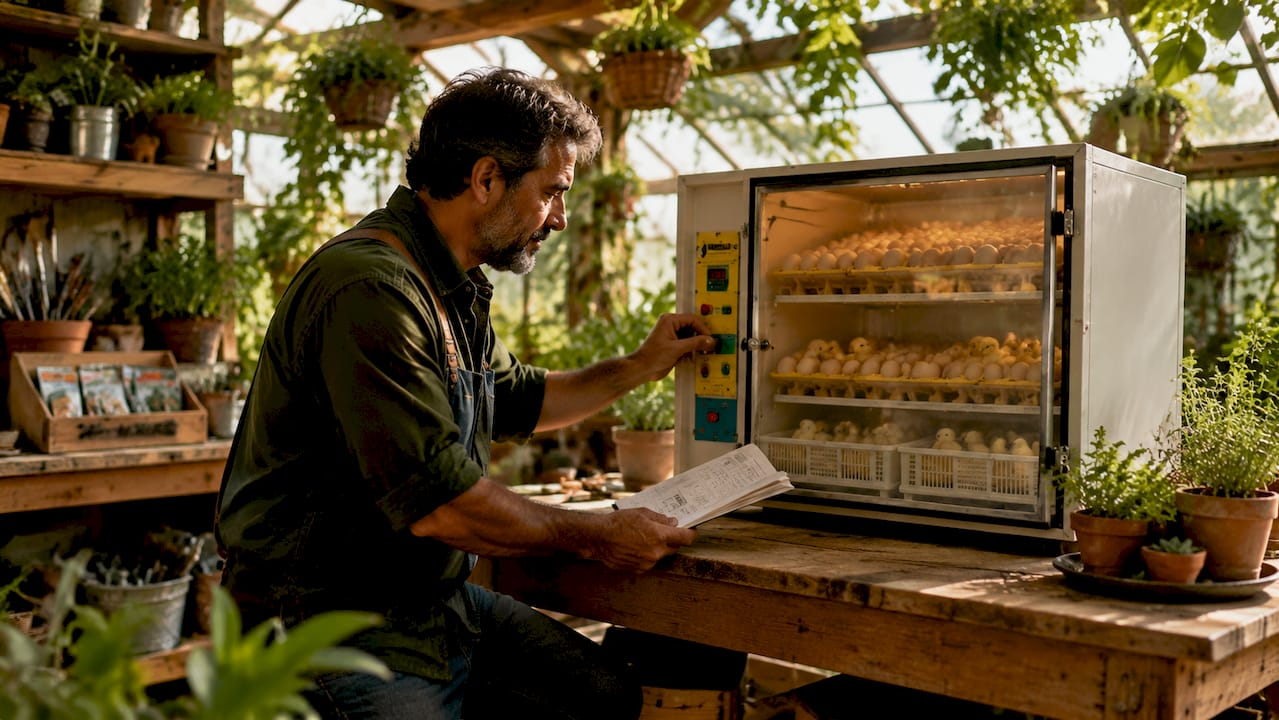
Buff Orpingtons go broody easily, which means they will sit on eggs and hatch chicks naturally. That trait reduces your need for an incubator. They lay around 200 eggs per year, which is solid production for a bird that asks so little of you.
3. Black Sex-Link: the consistent layer
Black Sex-Link chickens are a cross between a Rhode Island Red rooster and a Barred Rock hen. The result is a hardy, high-producing bird that lays 250–300 brown eggs per year. Sex-links are easy to sex at hatch because males and females look different from day one. That means no surprise roosters in a backyard flock.
These birds handle heat and cold well. They are active foragers and adapt quickly to new environments. For a homesteader who wants reliable egg production with very little fuss, Black Sex-Links deliver.
| Breed | Eggs per year | Cold-hardy | Temperament | Best for |
|---|---|---|---|---|
| Plymouth Rock | 200–280 | Yes | Calm, independent | Beginners, mixed flocks |
| Buff Orpington | ~200 | Yes | Very gentle | Families, brooding |
| Black Sex-Link | 250–300 | Yes | Active, adaptable | High egg production |
4. Coturnix quail: the best bird for small spaces
Coturnix quail are the fastest-maturing farm bird you can raise. They reach laying age in 6–8 weeks and produce over 300 eggs per year per hen. No other farm bird gives you that return that fast. They need only 1–2 square feet per bird, which makes them perfect for suburban backyards or small homesteads with limited space.
Quail are quiet. They do not crow, cluck loudly, or disturb neighbors. That makes them one of the few farm birds suitable for urban or semi-urban settings where noise ordinances apply.
Here is what makes Coturnix quail so easy to manage:
- Wire-bottom cages: Quail do not roost like chickens. They prefer the ground. Wire-floor cages let droppings fall through and eggs roll to a collection tray, cutting cleaning time dramatically.
- Small feed consumption: Quail eat very little compared to chickens. A small bag of game bird feed goes a long way.
- Fast replacement cycle: If you lose a bird, replacements reach laying age in under two months.
- Dual purpose: Quail provide both eggs and meat, giving you two products from one small, easy-care flock.
Pro Tip: Use a 16–18% protein game bird feed for Coturnix quail. Standard chicken layer feed does not meet their nutritional needs and will reduce egg production over time.
5. Guinea fowl: nature’s pest control team
Guinea fowl are self-sufficient foragers with strong natural immunity, which means they rarely need veterinary attention. They eat ticks, grasshoppers, beetles, and other insects in large quantities. One small flock of guinea fowl can dramatically reduce the pest load on your property without any chemical treatment.
These birds also act as natural watchdogs. They call loudly when they detect predators, strangers, or unusual activity. That alarm system protects your entire flock, not just the guineas.
The one management step you cannot skip: the lock-in period. When you bring guinea fowl to a new property, confine them to their coop for 2–4 weeks. This teaches them where home is. Skip this step and they will roost in trees or wander off your property entirely.
Feed guinea keets (young guinea fowl) a high-protein turkey or game bird starter rather than standard chick feed. Their protein needs are higher than chickens, especially in the first few weeks.
Pro Tip: Guinea fowl are loud. If you have close neighbors, talk to them before adding guineas to your flock. Their alarm calls are effective but frequent, and not everyone appreciates the noise.
6. Muscovy ducks: low-water, low-drama ducks
Muscovy ducks are the easiest duck breed for homesteaders who do not want to manage a pond. They are perching ducks that need little or no swimming water, which removes the biggest maintenance burden of duck keeping. A shallow tub for bathing is enough.
Muscovies are calm, quiet, and good foragers. They eat slugs, flies, and other pests, adding pest control value similar to guinea fowl. They are also excellent meat birds, growing large and efficiently. Hens lay 60–120 eggs per year, which is lower than chickens but still useful for a small homestead.
You can learn more about how ducks perform in warm climates like Hawaiʻi, where Muscovies thrive year-round with almost no special care.
7. Welsh Harlequin ducks: calm layers that skip the pond
Welsh Harlequin ducks are calmer and less flighty than most laying duck breeds. Like Muscovies, they reduce water management burdens compared to breeds that demand full pond access. Welsh Harlequins lay 250–300 eggs per year, which rivals the best chicken layers. Their eggs are large and rich, popular with home bakers and cooks.
These ducks are gentle enough for children to handle and adapt well to small farm settings. They forage actively and do not need much supplemental feed when pasture is available. For a family that wants duck eggs without the complexity of full water management, Welsh Harlequins are the right call.
8. Geese: the lowest-maintenance birds on the farm
Geese are the lowest-maintenance poultry you can raise, full stop. Their diet is primarily grass. A pair of geese on a well-managed pasture needs very little supplemental feed. They graze steadily, keep grass trimmed, and fertilize as they go. Unlike chickens, geese do not scratch soil destructively, so they work well in orchards and gardens.
Rotating geese every 1–2 days across pasture sections keeps the grass healthy and the birds well-fed. That rotation system is the core of low-labor goose management. You move them, they graze, and the pasture recovers. It is a simple cycle that practically runs itself.
Geese are also long-lived and bond strongly with their keepers. A well-cared-for goose can live 15–20 years. That longevity means your investment in a breeding pair pays off for a very long time.
Pro Tip: Toulouse and Embden geese are the most common low-maintenance breeds for small farms. Both are calm, heavy grazers, and easy to handle compared to more aggressive goose breeds.
Key takeaways
The best low-maintenance farm birds combine hardiness, foraging ability, and calm temperament to deliver consistent value with minimal daily labor from you.
| Point | Details |
|---|---|
| Plymouth Rock leads for chickens | Produces 200–280 eggs per year and stays calm and independent through harsh winters. |
| Coturnix quail suit small spaces | Lays 300+ eggs per year and matures in 6–8 weeks, needing only 1–2 sq ft per bird. |
| Geese need the least daily care | Grass-based diet and pasture rotation make geese the lowest-effort bird on the farm. |
| Guinea fowl add pest control | Strong natural immunity and insect foraging reduce both vet costs and pest pressure. |
| Housing is always non-negotiable | Predator-proof coops protect every breed, no matter how hardy the birds are. |
What I have learned after years of raising low-maintenance flocks
People come to us at Halemalufarms wanting birds that “take care of themselves.” I understand that appeal completely. But the most important thing I have learned is this: low-maintenance is not the same as no-maintenance. Every bird on this list still needs fresh water daily, a secure coop, and basic health checks. The difference is that these breeds forgive you when life gets busy. They do not spiral into illness if you miss a feeding or delay a coop cleaning by a day.
The second thing I have learned is that climate and space matter more than breed reputation. A Plymouth Rock that thrives in Vermont may struggle in a hot, humid Hawaiian summer without shade and ventilation. We raise birds here near Volcano on Hawaiʻi Island, where the cool upland climate changes what works. You need to match the bird to your specific conditions, not just to a top-ten list.
My honest recommendation: start with two or three species that complement each other. Chickens for eggs, guinea fowl for pest control, and geese for pasture management cover most of what a small homestead needs. Each species fills a different role, and together they create a system that is genuinely low-effort once it is established.
Do not skip predator-proofing. I have seen experienced farmers lose entire flocks because they assumed a hardy breed could protect itself. No breed can outrun a determined dog or a midnight raccoon. A solid coop is the one investment that protects everything else you build.
— kai
Start your low-maintenance flock with Halemalufarms
At Halemalufarms, we have been raising and distributing heritage poultry on Hawaiʻi Island since 2011. We know which breeds hold up in real farm conditions and which ones just sound good on paper. Whether you are starting with your first three hens or building out a full backyard system, we carry the birds and supplies to make it work.

Browse our heritage layer hens to find Plymouth Rocks, Buff Orpingtons, and other proven low-maintenance breeds ready for your homestead. Need feed, feeders, or housing supplies? Our farm supply shop carries everything you need to set up a clean, simple, and productive flock from day one. If you are just getting started, our beginner poultry checklist walks you through every step.
FAQ
What is the easiest farm bird to raise for beginners?
Plymouth Rock (Barred Rock) is the easiest chicken for beginners, producing 200–280 eggs per year with strong cold-hardiness and minimal care needs. Coturnix quail are the easiest overall if space is limited.
Do low-maintenance birds still need daily care?
Yes. Low-maintenance breeds are forgiving if you miss a feeding or cleaning, but they still need fresh water, a secure coop, and regular health checks every day.
Can I raise guinea fowl in a suburban backyard?
Guinea fowl are loud and need space to roam, which makes them better suited to rural or semi-rural properties. Their alarm calls are frequent and can disturb close neighbors.
How many eggs do Coturnix quail lay per year?
Coturnix quail lay over 300 eggs per year per hen, making them one of the most productive egg layers per square foot of any farm bird.
Are geese really low-maintenance?
Geese are considered the lowest-maintenance poultry because they graze grass as their primary diet and need very little supplemental feed on a well-managed pasture.
Recommended
- Beginner Poultry Flock Checklist: First-Time Guide
- Top 3 Quail Products for 2026 – Your Local source for all things poultry
- Why Backyard Chickens Improve Eggs: a Homeowner’s Guide
Discover more from Your Local source for all things poultry
Subscribe to get the latest posts sent to your email.