Local hatcheries are Hawaii’s most direct path to food independence, producing seafood and poultry bred specifically for island conditions rather than shipped from overseas farms. Hawaii imports the vast majority of its food, and the seafood supply is no exception. Americans consume more than $24 billion in imported seafood annually, with over half of that farmed overseas. That number tells you exactly how exposed Hawaii is when global supply chains break down. Understanding why Hawaii needs local hatcheries starts with recognizing that imported stock is not just expensive. It is a vulnerability.
Why Hawaii needs local hatcheries: yield, cost, and adapted breeding
Local hatcheries produce stock that is genetically matched to Hawaii’s water temperatures, salinity levels, and seasonal rhythms. That match translates directly into better farm results. Generic imported seed or chicks often struggle to perform in Hawaii’s specific conditions, leading to slower growth, higher mortality, and unpredictable harvests.
The numbers from Hawaii’s own shellfish sector make this clear. Local shellfish seed production yields approximately 30% more than imported alternatives and reduces harvesting costs by up to 50%. That cost reduction comes from growth consistency. When animals grow at a predictable rate, you schedule harvests efficiently, reduce labor hours, and waste less feed.
Pacific Hybreed, a Hawaii shellfish hatchery, raised $1 million specifically to expand this kind of locally adapted seed production. Their work demonstrates that farm-specific genetic strains outperform generic imports in both growth uniformity and survival rates. Growth uniformity matters because it removes the guesswork from harvest planning and reduces the environmental load of extended grow-out periods.

Pro Tip: If you are starting a shellfish or poultry operation in Hawaii, prioritize sourcing seed or chicks from local hatcheries whenever possible. The upfront cost difference is typically recovered within the first production cycle through lower mortality and faster growth.
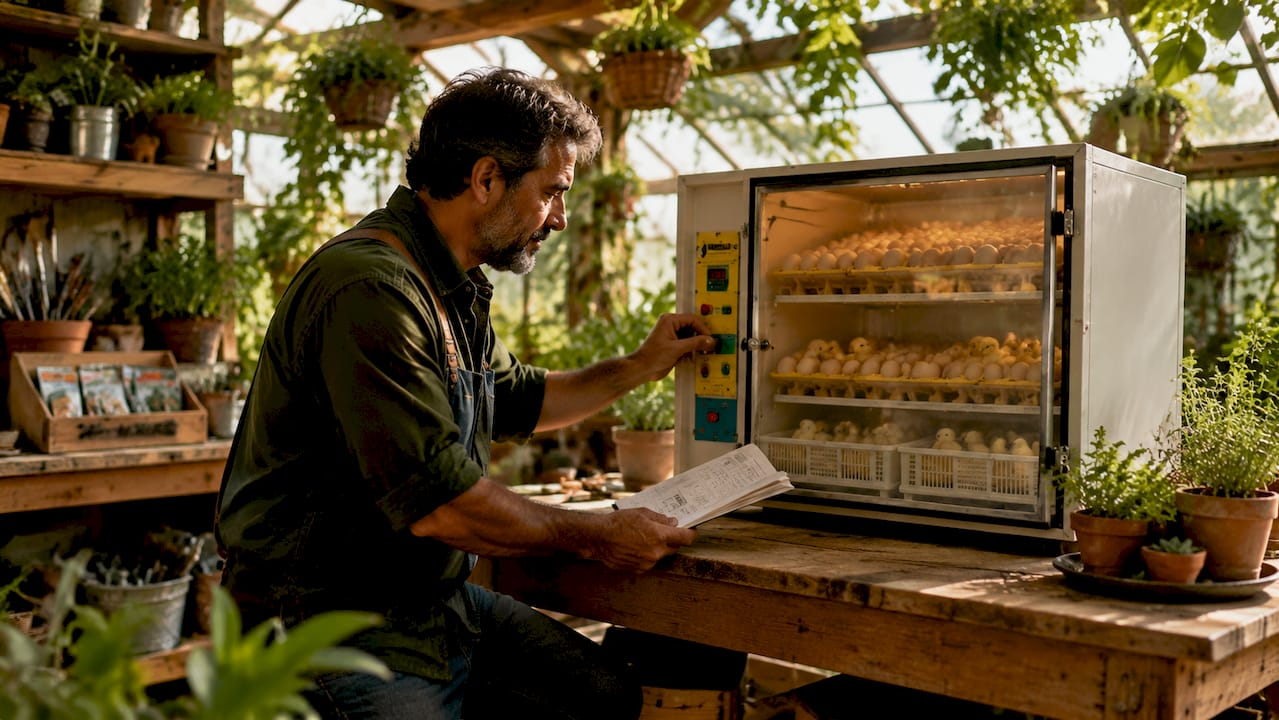
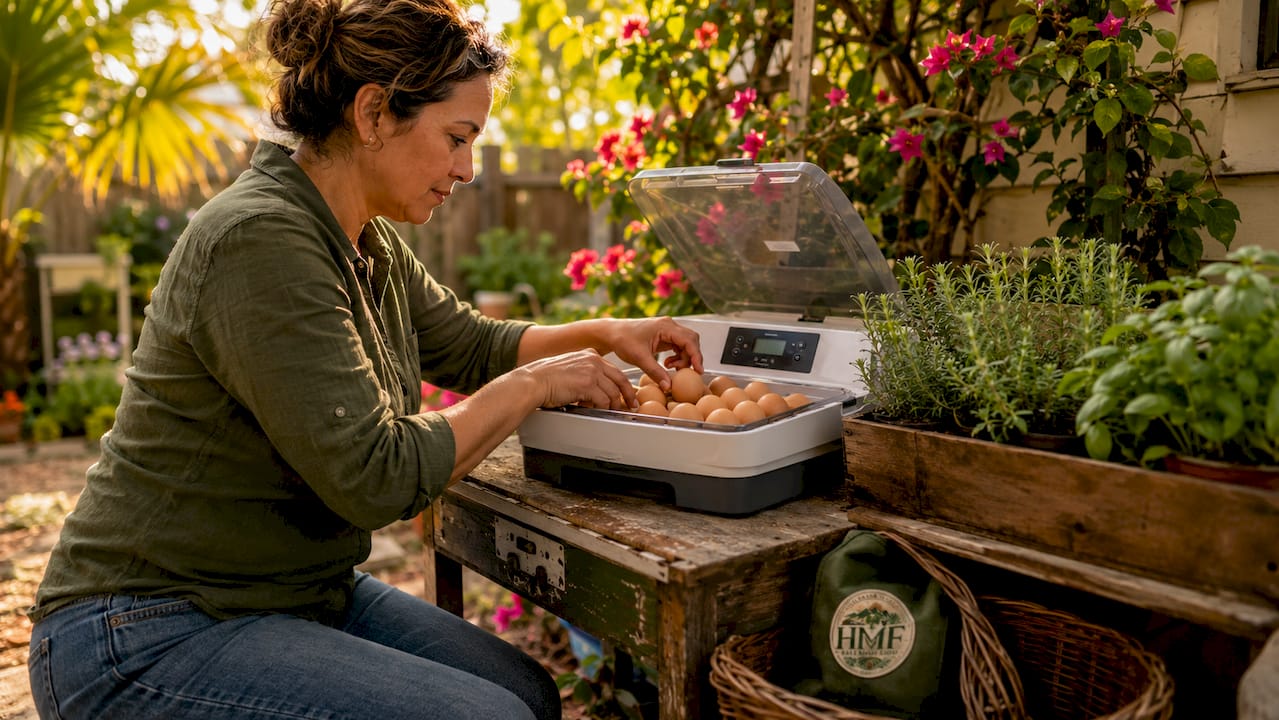
The same principle applies to poultry. Heritage breeds raised in Hawaii and selected for local climate conditions outperform commercial imports in backyard and small-farm settings. You can learn more about running a local hatchery from producers who have already done it here in the islands.
| Metric | Locally adapted stock | Generic imported stock |
|---|---|---|
| Yield improvement | ~30% higher | Baseline |
| Harvest cost reduction | Up to 50% lower | Baseline |
| Growth uniformity | High, predictable | Variable |
| Survival rate | Higher in local conditions | Lower due to environmental mismatch |
How do local hatcheries protect Hawaii’s ecosystems?
Biosecurity is one of the strongest arguments for building local hatchery capacity. Every shipment of live animals or aquatic seed from the mainland or overseas carries the risk of introducing pathogens or invasive species that Hawaii’s ecosystems have no natural defense against.
States that rely heavily on fish imports face this problem at scale. Wyoming, for example, imports up to 1.5 million fish annually from outside sources, a practice that increases invasive species risk significantly. Wyoming’s response was to approve expansion of the Dan Speas Fish Hatchery to produce more fish locally and reduce that exposure. Hawaii faces the same logic, but with higher ecological stakes given its unique native species.

Local hatcheries address this risk through closed-loop production systems. Closed-loop hatchery systems using groundwater isolate production from outside pathogens, maintaining consistent biosecurity without relying on chemical treatments. These systems are a technical advantage that import-dependent operations simply cannot replicate.
Key biosecurity benefits of local hatcheries include:
- No cross-contamination from overseas farms, where disease management standards vary widely
- Controlled water sourcing that eliminates exposure to wild pathogen populations
- Shorter transport chains that reduce stress-related mortality and disease susceptibility
- Faster disease response because producers know the genetic history of every animal
“Preventing aquatic invasive species through local hatcheries is a key emerging priority to protect island ecosystems and fisheries.” This is not a future concern for Hawaii. It is a present one.
What role do local hatcheries play in Hawaii’s food security?
Hawaii’s food security gap is real and well documented. The state imports the overwhelming majority of its food, and seafood is one of the most import-dependent categories. Hawaii shellfish sales reached $27.5 million in 2024, accounting for over half of the state’s total aquaculture sales. That figure shows genuine market demand. It also shows how much room exists to grow local production and reduce reliance on overseas supply.
The University of Hawaii is taking this seriously. A UH-Hilo professor now leads Hawaii’s participation in a $13.5 million federal aquaculture consortium, a partnership designed to build research capacity and production infrastructure across the state. Federal investment at this scale signals that supporting Hawaii’s aquaculture is a national priority, not just a local one.
Local hatcheries contribute to food security in several concrete ways:
- They produce food that does not depend on shipping schedules or global commodity prices
- They create jobs in rural communities where economic options are limited
- They supply local restaurants, farmers markets, and households with fresher product at lower transport cost
- They build the agricultural knowledge base that future generations of Hawaii farmers will need
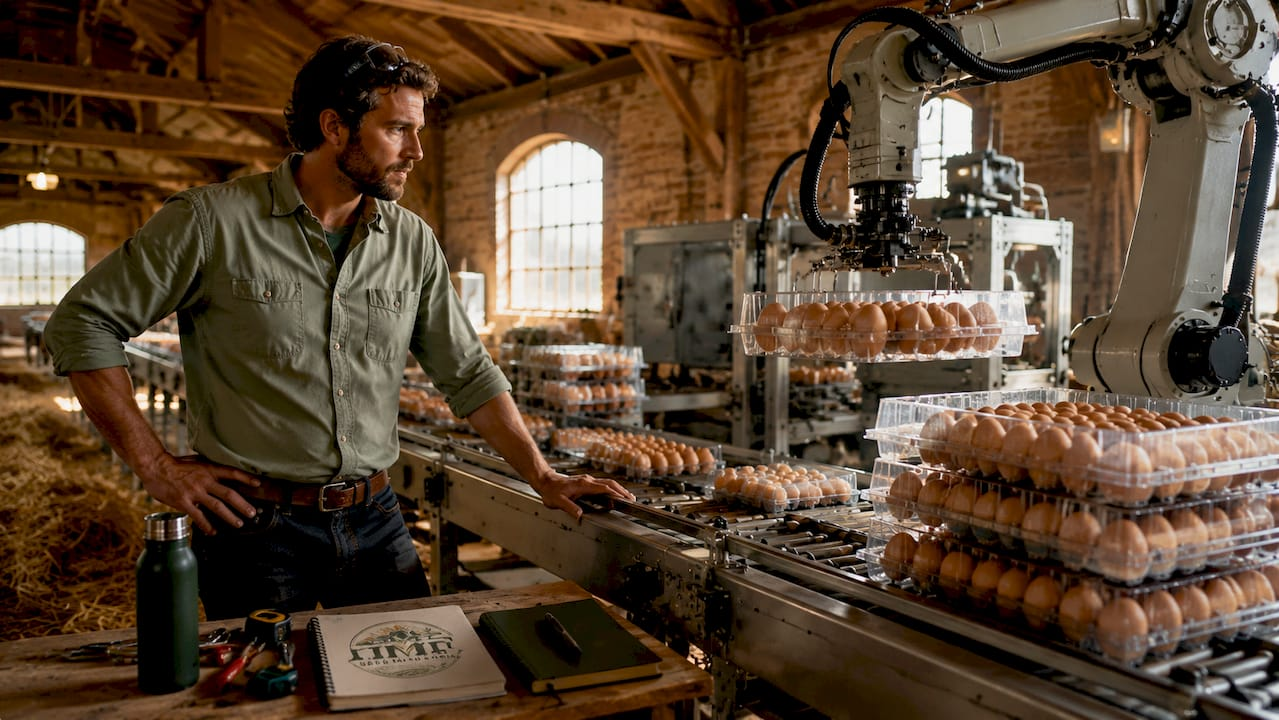
The connection between local egg production and community resilience follows the same logic. Every protein source produced locally is one fewer vulnerability in Hawaii’s food supply.
How does genetic customization give local hatcheries an edge?
Modern hatchery science has shifted away from volume-first thinking toward precision breeding. The goal is no longer simply to produce as many animals as possible. The goal is to produce animals that thrive in a specific environment, grow consistently, and reproduce reliably under local conditions.
Precision hatchery management using genetic selection and advanced water control has transformed aquaculture effectiveness beyond what traditional volume-based approaches could achieve. Minnesota’s DNR hatchery program, for example, selects walleye and muskie strains specifically matched to the lakes where they will be stocked. The survival and reproduction rates from these locally matched strains consistently outperform generic hatchery stock.
Hawaii’s marine and terrestrial environments are even more distinct than Minnesota’s freshwater systems. Ocean temperature, reef ecology, and rainfall patterns on Hawaii Island differ significantly from conditions on Maui or Oahu. A hatchery that develops strains for specific farm sites in Hawaii delivers results that no mainland supplier can match.
Pro Tip: When evaluating hatchery stock for your operation, ask suppliers specifically about the origin environment of their breeding lines. Stock selected in Pacific conditions will outperform Atlantic or Gulf-origin genetics in Hawaii’s waters.
The history of hatcheries in Hawaii shows that this kind of local adaptation is not new. Ancient Hawaiian fishpond systems, called loko iʻa, were sophisticated aquaculture operations that selected and managed fish populations for specific coastal environments. Modern hatchery science is, in many ways, catching up to what Hawaiian farmers understood centuries ago.
What challenges do local hatcheries in Hawaii face?
Local hatcheries operate at a real disadvantage on cost. Cheap imported seafood and poultry flood Hawaii’s markets, and local producers cannot match those prices without subsidies or premium market positioning. High operational costs, including energy, water, and feed, compound the challenge on an island where everything costs more to source.
Infrastructure is another barrier. Water resource management is critical for any hatchery operation, and Hawaii’s freshwater resources are unevenly distributed across islands. Building reliable water systems for closed-loop production requires capital investment that many small operators cannot access alone.
The opportunities, though, are growing. Federal funding through the $13.5 million aquaculture consortium brings research and development capacity that small producers can benefit from. Private investment, like the $1 million raised by Pacific Hybreed, shows that outside capital is willing to back Hawaii hatchery operations when the business case is clear.
Key areas of future growth include:
- Shrimp and shellfish expansion on Kauai and Hawaii Island, where pond infrastructure already exists
- Heritage poultry breeding programs that supply both eggs and meat to local markets
- Aquaponics integration combining fish and vegetable production in shared water systems
- Youth agricultural education through programs like 4-H that build the next generation of hatchery operators
Investment in local hatcheries triggers economic growth, creates jobs, and supports the long-term sustainability of island food systems. The challenge is building enough infrastructure and market access to make that investment pay off consistently.
Key Takeaways
Local hatcheries are Hawaii’s most practical tool for reducing food import dependence, protecting native ecosystems, and building a resilient agricultural economy rooted in local genetics and community knowledge.
| Point | Details |
|---|---|
| Yield and cost advantage | Locally adapted stock produces ~30% more yield and cuts harvest costs by up to 50%. |
| Biosecurity protection | Closed-loop hatchery systems eliminate pathogen and invasive species risk from imports. |
| Food security contribution | Hawaii shellfish sales reached $27.5 million in 2024, showing real market demand for local production. |
| Genetic precision matters | Locally selected strains outperform generic imports in survival, growth, and reproduction. |
| Federal investment is growing | A $13.5 million federal aquaculture consortium now includes UH-Hilo, signaling national support. |
Why I believe local hatcheries are Hawaii’s most undervalued asset
I have watched Hawaii’s food system struggle with the same problem for years. We celebrate local food at farmers markets and in restaurant menus, but the supply chain underneath most of that food still runs through the mainland or overseas. Hatcheries are where that changes, or where it stays the same.
What strikes me most is how the economic argument and the ecological argument point in the same direction. Locally adapted stock costs less to raise, survives better, and does not threaten native species. That is a rare situation where doing the right thing for the environment is also the right thing for your bottom line.
The piece that gets overlooked is culture. Hawaii’s loko iʻa fishpond tradition represents thousands of years of aquaculture knowledge built specifically for these islands. Modern hatchery science is powerful, but it works best when it is grounded in that local knowledge rather than imported wholesale from continental farming systems.
Community involvement is not optional here. Small farms, homesteaders, and youth programs like 4-H are the connective tissue between hatchery production and the households that need local food. Without that network, even a well-funded hatchery becomes an island unto itself. The farms that thrive long-term are the ones that build relationships first and scale second.
— kai
Halemalufarms and the future of local hatchery farming in Hawaii
Halemalufarms has been building toward this vision since 2011, combining heritage poultry genetics, regenerative farming, and community education into a single operation rooted in Hawaii Island.

If you are ready to start or expand a local hatchery operation, Halemalufarms offers practical resources built specifically for Hawaii’s conditions. The heritage poultry breeding program guide walks you through breed selection, incubation, and local adaptation from the ground up. For farmers interested in why breed genetics matter beyond production numbers, the resource on why heritage breeds matter connects the science to real farm outcomes. Halemalufarms also carries heritage breed stock and farm supplies suited to Hawaii’s unique growing conditions, available through the farm shop.
FAQ
What is a local hatchery and why does it matter for Hawaii?
A local hatchery breeds and raises fish, shellfish, or poultry within the state, producing stock adapted to Hawaii’s specific environmental conditions. This reduces import dependence and lowers the risk of introducing invasive species or pathogens.
How much more productive is locally adapted hatchery stock?
Locally adapted shellfish seed produces approximately 30% more yield and reduces harvesting costs by up to 50% compared to generic imported stock, according to Pacific Hybreed’s production data.
How do local hatcheries protect Hawaii’s native ecosystems?
Local hatcheries use closed-loop or groundwater-based production systems that isolate animals from outside pathogens and eliminate the invasive species risk that comes with importing live animals from other regions.
Is there federal support for Hawaii’s local hatchery industry?
Yes. A UH-Hilo professor leads Hawaii’s participation in a $13.5 million federal aquaculture consortium, bringing research funding and infrastructure support to local producers across the state.
Can small farms in Hawaii benefit from local hatcheries?
Absolutely. Small farms benefit through access to locally adapted stock, lower mortality rates, and shorter supply chains. Heritage poultry operations, shrimp ponds, and shellfish farms all gain a production advantage when sourcing from local hatcheries rather than mainland suppliers.
Recommended
- Small hatchery guide: what local farmers need to know – Your Local source for all things poultry
- Hawaii Hatchery History: From Ancient Ponds to Modern Science
- Why Egg Production Matters Locally: Community Benefits – Your Local source for all things poultry
- Start your own poultry hatchery in Hawaiʻi today – Your Local source for all things poultry
Discover more from Your Local source for all things poultry
Subscribe to get the latest posts sent to your email.