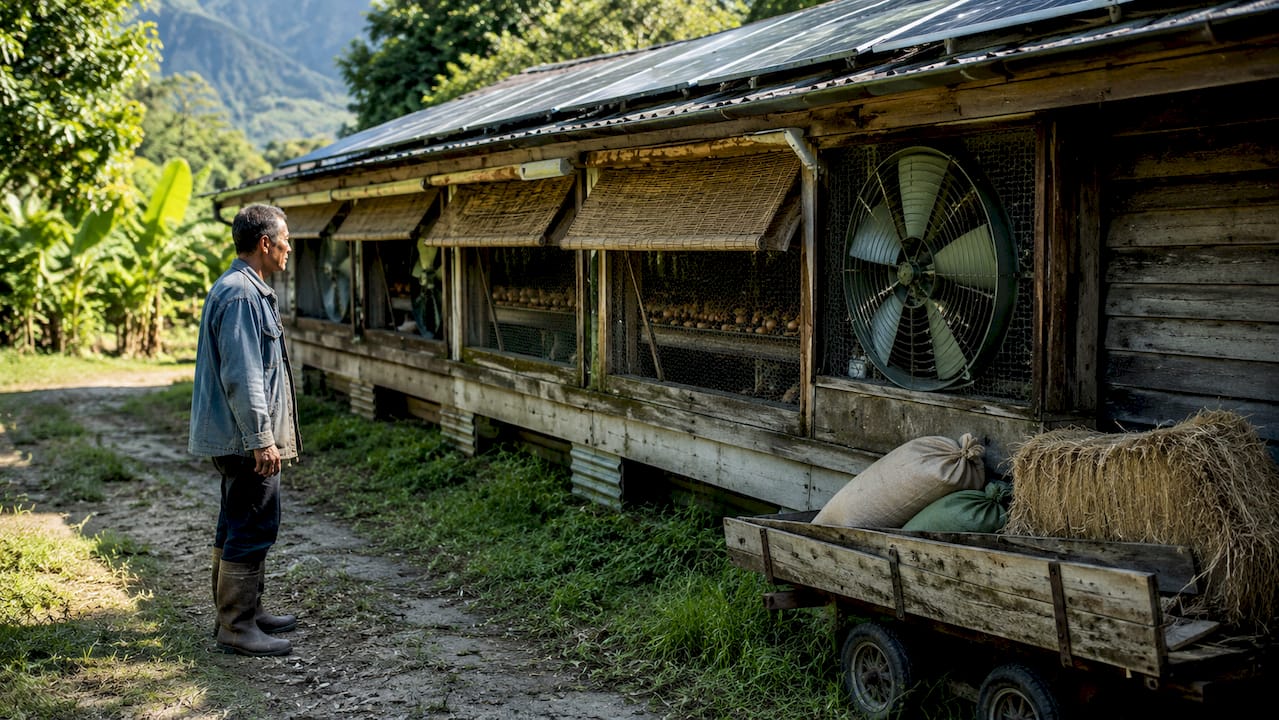
A farm e-commerce store is a buyer-facing online platform where customers find your products, pay you directly, and coordinate pickup or delivery. You do not need a $5,000 website to start selling farm products online. The core requirement is simple: buyers can find you, a payment method exists, and pickup is coordinated. Platforms like Shopify, Farmzz, Local Line, and Homegrown each offer different entry points depending on your budget and farm size. This guide walks you through every step to set up farm e-commerce store operations that actually match how your farm runs.
What tools do you need to set up a farm e-commerce store?
Choosing the right platform is the most consequential early decision you will make. Generic website builders like Shopify and Wix give you design flexibility, but they lack the farm-specific features that make daily operations manageable. Farm-specific platforms include features like variable weight pricing, multiple pickup locations, and market day scheduling that generic builders simply do not offer. That operational gap matters more than it sounds when you are managing a harvest that changes week to week.
Here is what your platform must handle before you launch:
- Product listings with photos, descriptions, and available quantities
- Variable weight pricing for items sold by the pound (eggs, meat, produce)
- Multiple pickup locations or market day scheduling
- Mobile-optimized ordering so customers can buy from their phones
- Integrated payment processing or support for Venmo and PayPal
Cost is a real factor. A basic Shopify store costs $39–$105/month plus transaction fees, while a custom farm website runs $2,000–$8,000 upfront plus ongoing hosting. That cost difference is why most small farms start with a farm-specific platform and upgrade later.
| Platform | Best For | Monthly Cost | Key Farm Feature |
|---|---|---|---|
| Farmzz | Small direct-to-consumer farms | Free to low cost | Farm profile with QR code ordering |
| Homegrown | Farmers market vendors | Low cost | Store setup in 15 minutes |
| Local Line | CSA and wholesale farms | Mid-range | Subscription and route management |
| GrazeCart | Meat and livestock farms | Mid-range | Variable weight and cut sheet orders |
| Shopify | Farms with larger product catalogs | $39–$105/month | Full e-commerce flexibility |

Pro Tip: Start with a farm-specific platform for your first season. You can always migrate to Shopify once you understand your order volume and customer behavior.
Step-by-step process for launching your farm online shop
A clean launch does not require weeks of preparation. Setting up a farm profile and QR code takes about 2 hours in Week 1, and Week 2 is simply sharing links and stickers for ordering and pickup notifications. That speed is possible because farm-specific platforms handle the structure for you.
Follow this sequence:
-
Create your farm profile. Add your farm name, location, product categories, and a short description. Include a profile photo and at least one product image. Farm profile pages indexed by Google provide free online storefronts that drive discovery for direct-to-consumer farms.
-
Add your products. Write clear, specific descriptions. “Pasture-raised brown eggs, 1 dozen” converts better than “fresh eggs.” Include price, unit, and availability window.
-
Set up payment options. Start with what you already use. Cash on pickup works. Digital apps like Venmo and PayPal are easy to add. Platform-integrated payments through Stripe or Square give customers the most confidence at checkout.
-
Define your pickup windows. Choose 1–2 consistent pickup days and locations. Consistency builds customer habit. Customers who know you are at the Hilo Farmers Market every Saturday will plan around you.
-
Test the full order flow. Place a test order yourself before going live. Check that the confirmation email arrives, the pickup time is correct, and the payment processes cleanly.
-
Launch your marketing. Share your store link on Instagram, Facebook, and neighborhood apps like Nextdoor. Print a QR code for your market table. Defining your marketing goals upfront is critical. A store with no traffic produces no sales, no matter how well it is built.
| Week | Milestone | Time Required |
|---|---|---|
| Week 1 | Farm profile, products, payment setup | 2–3 hours |
| Week 2 | QR code, order link sharing, test order | 1–2 hours |
| Week 3 | First live orders, pickup coordination | Ongoing |
| Week 4 | Review order accuracy, adjust availability | 1 hour |
Pro Tip: Build your audience on social media for 2–4 weeks before your store goes live. Warm followers convert far better than cold traffic on launch day.

How do you handle order fulfillment and pickup coordination?
Fulfillment is where most farm stores run into trouble. The product page says “available,” but the harvest came in short. The customer ordered 3 pounds of ground pork, but the actual weight is 2.7 pounds. These mismatches create confusion and erode trust fast. The fix is operational, not technical.
Here is what works in practice:
- Set hard pickup windows. Give customers a specific 2-hour window, not “Saturday morning.” Clear windows reduce no-shows and late arrivals.
- Update availability weekly. Treat your product availability like a live inventory count. Adjust quantities every Monday based on what you expect to harvest or pack that week.
- Use variable weight features. Platforms like GrazeCart and Local Line let you charge the actual weight at fulfillment rather than a fixed price. This eliminates the awkward “we owe you a refund” conversation.
- Communicate changes early. If a product sells out or a pickup location changes, notify customers at least 48 hours in advance. A short text or email keeps trust intact.
For farms considering shipping, the cost picture shifted in 2026. USPS Ground Advantage rates increased 11.8% on average effective July 12, 2026. That increase directly affects your margins if shipping costs are baked into your product prices. Reassess your shipping strategy now if you have not already.
Local pickup is almost always more profitable than shipping for small farms. Reserve shipping for shelf-stable products with high enough margins to absorb carrier rate increases.
For farms managing farm supply distribution alongside direct sales, coordinating multiple fulfillment streams from one platform saves significant time each week.
What are the most common farm e-commerce mistakes?
The biggest mistake is overbuilding before you have customers. Many growers start with overly complex e-commerce setups, while simple systems deliver sales faster. A beautiful website with no audience is just an expensive brochure.
Watch out for these specific pitfalls:
- Skipping the audience-building step. Building your audience before launching is not optional. It is the difference between a strong first week and a quiet, discouraging one.
- Listing more products than you can reliably fulfill. Start with your 3–5 most consistent products. Add more once your order workflow is stable.
- Ignoring mobile experience. More than half of online orders happen on phones. If your store is hard to navigate on a small screen, you lose those sales.
- Mismatching online availability with actual capacity. Testing your order-to-fulfillment workflow before going live catches availability mismatches before they reach customers.
- Underpricing to compete with grocery stores. Your farm’s value is freshness, traceability, and relationship. Price accordingly.
Pro Tip: Start with the simplest possible flow: buyer finds you, buyer pays, buyer picks up. Once that loop works reliably, add complexity like subscriptions, bundles, or shipping.
For farms at the farmers market, your market presence and online store should reinforce each other. Hand out QR codes at your booth. Mention your online store when customers ask if you will be back next week.
Key takeaways
Setting up a farm e-commerce store requires the right platform, a tested fulfillment workflow, and an audience built before launch day.
| Point | Details |
|---|---|
| Start simple | Use the buyer find, pay, pickup flow before adding subscriptions or shipping. |
| Choose farm-specific tools | Platforms like Homegrown, Local Line, and GrazeCart handle variable weight and pickup scheduling. |
| Build audience first | Launch marketing 2–4 weeks before your store goes live to avoid a silent opening. |
| Test before going live | Run a full order-to-fulfillment test to catch availability mismatches early. |
| Reassess shipping costs | USPS Ground Advantage rates rose 11.8% in July 2026, so review your pricing if you ship. |
What i have learned from watching farms go online
I have seen farms spend months building elaborate websites before selling a single dozen eggs. I have also seen a grower set up a Farmzz profile on a Tuesday and take their first online order by Thursday. The difference was not budget or tech skill. It was the willingness to start small and iterate.
The farms that succeed online treat their e-commerce store the same way they treat their fields: tend it consistently, adjust based on what you observe, and do not plant more than you can harvest. The operational match between your online store and your actual farm capacity is what determines whether customers come back. A slick website cannot fix a fulfillment process that does not work.
We at Halemalufarms have gone through this ourselves. The most useful thing we did early on was run end-to-end order tests before telling anyone the store was live. We caught three problems in that first test that would have frustrated real customers. That two-hour investment saved us from a rough launch.
Farm-specific platforms are genuinely worth the switch from generic builders, especially for poultry and livestock operations where weight variability and pickup scheduling are daily realities. The time you save on manual corrections pays for the platform cost within the first month.
Start with what you have. Improve from there. Your customers will grow with you.
— kai
Start selling farm products online with Halemalufarms
Ready to see what a working farm e-commerce store looks like in practice? Halemalufarms has been connecting Hawaii Island farmers and homesteaders with quality poultry, feed, and farm supplies since 2011. Whether you are sourcing heritage layer hens for your flock or stocking up on feed and farm supplies, our online shop makes it easy to order and coordinate pickup from a trusted local source.

We built our store around the same principles in this article: simple ordering, clear pickup options, and products we can reliably fulfill. Browse the full catalog at Halemalufarms and see how a farm e-commerce store can work for your operation too.
FAQ
What is the fastest way to start a farm online shop?
Farm platforms like Homegrown let farmers market vendors set up a professional store with product listings, payments, and pickup locations in about 15 minutes. Starting with a simple farm profile and QR code is the fastest path to your first sale.
Do i need a website to sell farm products online?
No. A farm profile page on platforms like Farmzz or CollectiveCrop gives you a Google-indexed storefront without building a custom website. You only need a full website once your order volume justifies the cost.
How do i handle variable weight pricing in my farm store?
Use a farm-specific platform like GrazeCart or Local Line that supports variable weight pricing. These tools charge customers the actual fulfilled weight rather than a fixed price, which eliminates refund requests and manual corrections.
How do shipping rate increases affect my farm e-commerce pricing?
USPS Ground Advantage rates increased 11.8% effective July 12, 2026. If your product prices include shipping costs, review and adjust your pricing now to protect your margins.
Should i use shopify or a farm-specific platform?
Start with a farm-specific platform like Local Line, Homegrown, or GrazeCart for your first season. Shopify offers more flexibility but lacks built-in farm features like pickup scheduling and variable weight pricing that small farms use daily.
Recommended
- Your Farmers Market Guide: Shop Smart and Save – Your Local source for all things poultry
- What Is Farm Supply Distribution? A 2026 Guide – Your Local source for all things poultry
- Top 3 Quail Products for 2026 – Your Local source for all things poultry
- Hawaii farm equipment – Your Local source for all things poultry
Discover more from Your Local source for all things poultry
Subscribe to get the latest posts sent to your email.